Which Water Margin Edition Should You Read?
Two books can both be called Water Margin and lead to different endings. Before choosing a translation, decide whether you want the rise of Liangshan, the cost of amnesty, or the longest surviving narrative arc.
Choose the story arc before the cover
Water Margin survives in major 70-, 100-, and 120-chapter forms. The 70-chapter edition associated with Jin Shengtan concentrates on the gathering of the brotherhood and closes around the completed assembly. The longer traditions continue beyond the stronghold’s peak.
The 100-chapter story includes imperial amnesty, campaigns, and the costly conflict with Fang La. The 120-chapter form inserts campaigns against Tian Hu and Wang Qing as well. Chapter numbers after the shared early material therefore do not always match across editions.
Different English titles may name the same novel
Water Margin, Outlaws of the Marsh, All Men Are Brothers, and The Marshes of Mount Liang can all refer to Shuihu Zhuan. A title alone does not tell you whether a book is complete, abridged, or based on a particular chapter tradition.
Check the translator, number of volumes, table of contents, and publisher’s description. A single-volume book may be a full translation of a shorter edition, a heavily abridged retelling, or an excerpt. “Complete” only has meaning when the underlying version is identified.
Three reading routes serve different readers
For the widest arc in English, the five-volume Marshes of Mount Liang by John and Alex Dent-Young follows the 120-chapter text. Its publisher pages identify the volumes and translators. It is the clearest route when the added campaigns and long ending matter to you.
For an accessible episode-by-episode companion, John Zhu’s Chinese Lore podcast retells the 100-chapter version in English with transcripts and audio. It is a retelling, not a line-by-line translation, and its episode numbers should not be mistaken for chapter numbers.
Older English versions can be rewarding, but their title, prose style, omissions, and underlying edition vary. Treat translator credit and contents as part of the book, not as small print.
You do not have to begin by committing to 120 chapters
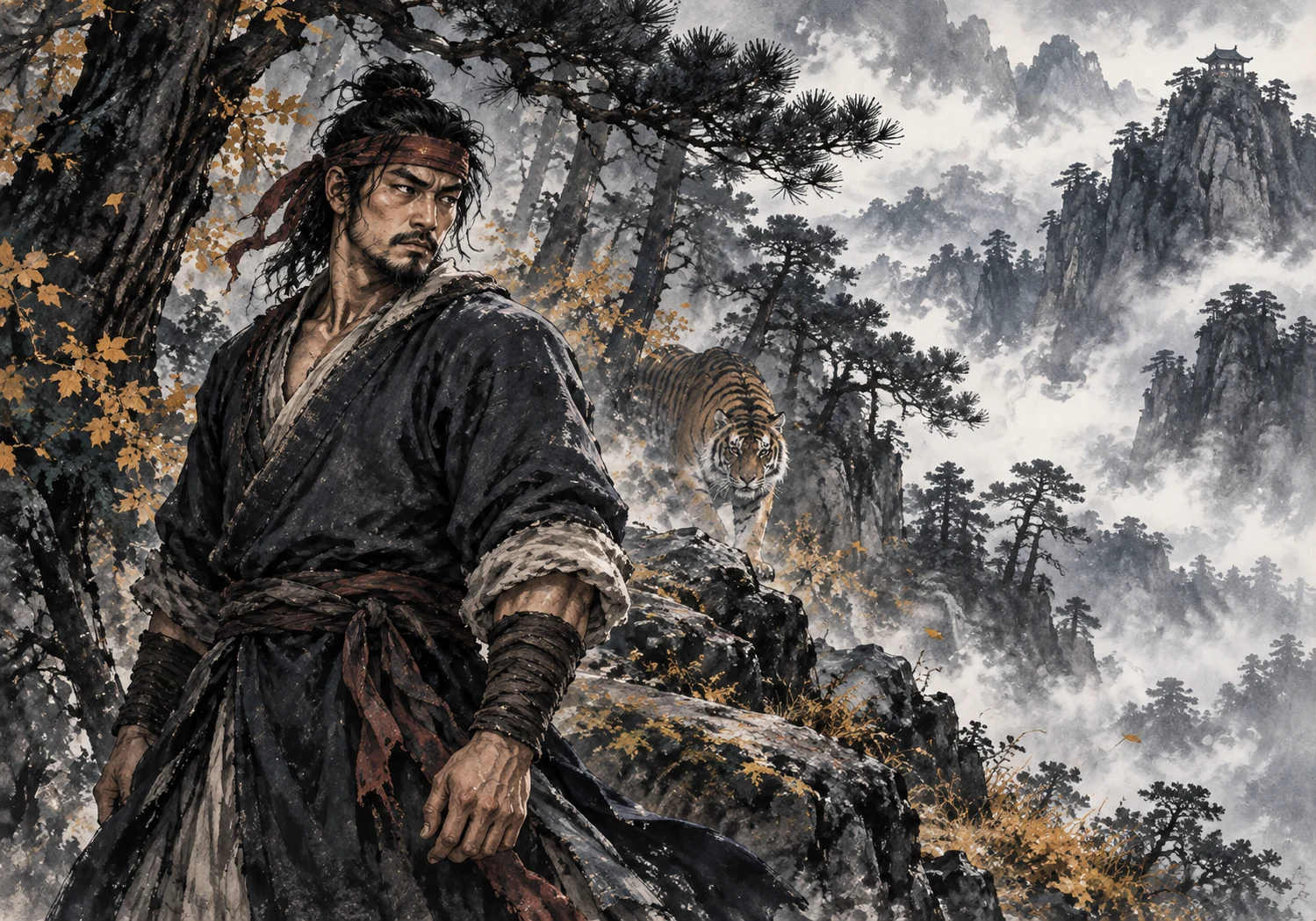
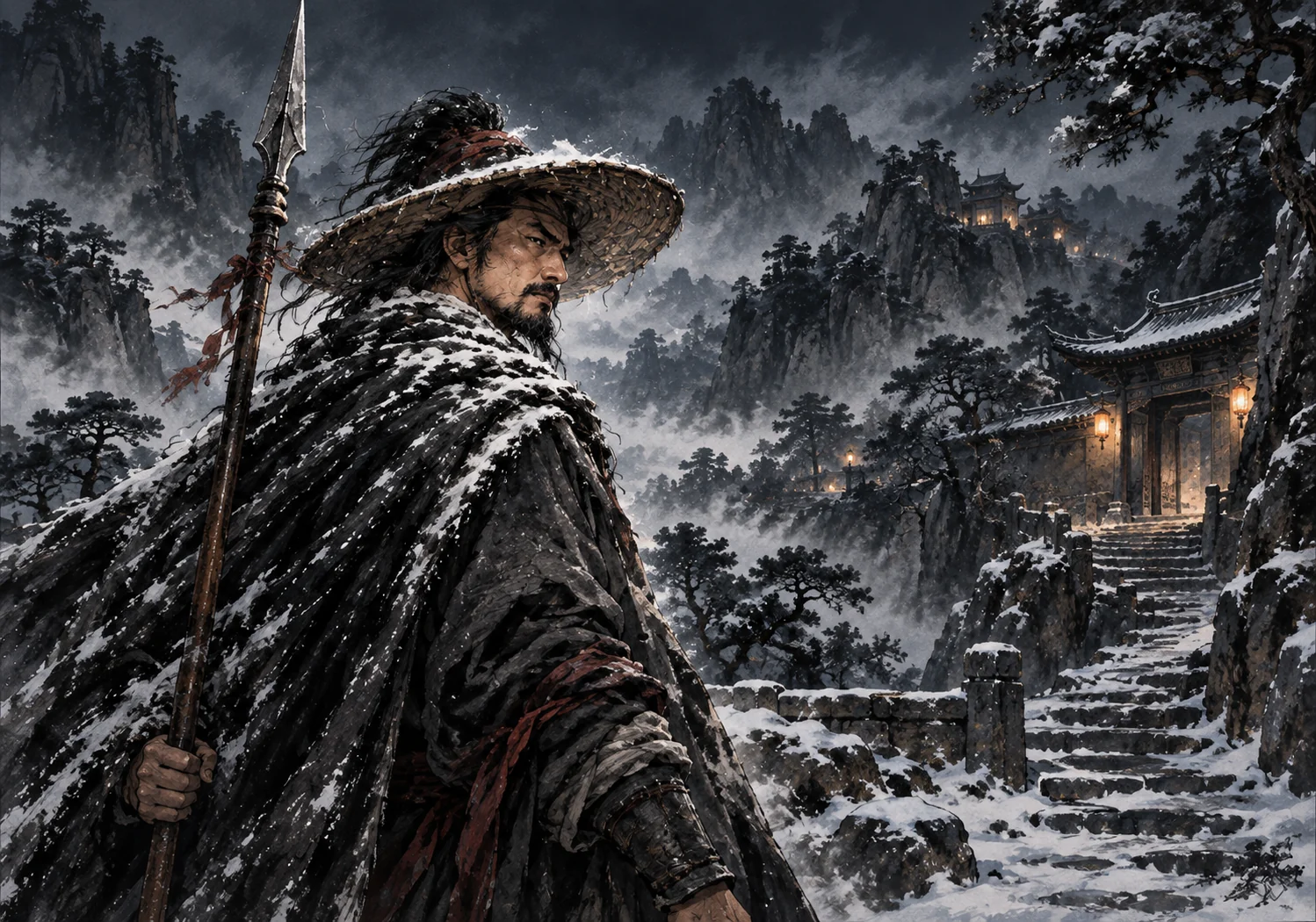
Read one complete early sequence first. Lu Zhishen’s intervention for Jin Cuilian, Lin Chong’s exile and snowbound temple, or Wu Song’s tiger and family story each reveals how the novel builds a person through action and consequence.
If the changing cast feels difficult, use the 108 list as a reference rather than a syllabus. Follow connections: Wu Yong and Yang Zhi for two sides of the birthday-gift robbery, Lu Junyi and Yan Qing for ignored warnings, or Hu Sanniang and Li Ying for the costs of the Zhu Family Manor campaign.
How Liangshan Lore identifies its text
Our primary chapter links follow the public 120-chapter Chinese text. We name edition differences when they affect an ending, campaign, rank, or sequence. Our English stories are original short retellings and interpretations, not translations of the linked English resources.
The best edition is therefore the one whose scope you understand and whose language keeps you reading. Knowing what was included is more useful than pretending that one version can stand without explanation for every Water Margin.
Do you want to preserve Liangshan at its height, or follow what happens after it wins recognition?
Which part of the story speaks to you? Tell us as we shape the complete 108-card collection.
Original English writing by Liangshan Lore, based on the Chinese novel Water Margin, traditionally attributed to Shi Nai’an. Plot references follow the 120-chapter Chinese edition; names, chapter numbering, and endings can vary between editions and translations. Sections marked “Our reading of the story” offer our interpretation. The characters and events belong to fiction; concept illustrations are not historical portraits.
Continue in English.
These credited resources offer further reading, listening, publication context, or museum evidence. Chinese Lore is an English retelling with transcripts and audio, not a line-by-line translation; podcast episode numbers differ from novel chapters. CUHK Press links introduce published English translations.
Chinese original · text & chapter references
Primary-text references for checking the plot and edition. These pages are in Chinese.
 Wu SongTiger Slayer · illustrated character story
 Lin ChongPanther Head · illustrated character story