How Does Water Margin End?
There is no single answer unless you name the edition. One famous version stops near the great assembly. Longer versions carry the brotherhood through amnesty, campaigns, separation, and death.
First, check which book you are holding
This guide contains full spoilers. A 70-chapter edition associated with Jin Shengtan ends around the completed assembly and a closing dream. It removes the later amnesty and campaign arc. The 100-chapter tradition continues through service to the court and the Fang La campaign. The 120-chapter text adds the Tian Hu and Wang Qing campaigns.
Those are not minor editorial differences. One ending leaves Liangshan at the height of its legendary completeness. Another asks what happens when the company accepts the future Song Jiang has pursued.
The return to official service scatters the 108
After amnesty, the outlaws fight as an imperial force. The Fang La campaign is especially destructive. Familiar figures die in combat, from wounds, through illness, or in accidents around the fighting. Victory for the court arrives with a greatly reduced company.
Some survivors accept appointments. Some seek religious withdrawal or a quieter life. Li Jun eventually leaves the imperial route and sails away with companions. Yan Qing warns Lu Junyi, then departs rather than trust the honors ahead. The brotherhood does not return intact to the marsh.
Lu Junyi and Song Jiang are destroyed after victory
Court enemies continue to act after the campaigns. Lu Junyi is poisoned with mercury, loses his balance on a boat, falls into the river, and dies. Song Jiang receives poisoned imperial wine. Understanding who arranged it does not give him a safe public way to refuse the emperor’s gift.
Song Jiang then summons Li Kui and lets him drink poisoned wine as well. He fears that Li Kui, after learning of his death, will rebel and damage the reputation they have won. The act is one of the ending’s hardest judgments: loyalty to an official name becomes a reason to decide a companion’s death.
The last reunion happens through grief and dream
Wu Yong and Hua Rong later hang themselves at the graves of Song Jiang and Li Kui. The emperor dreams of Song Jiang and finally learns of the wrongful deaths. Memorial recognition follows, but it cannot restore the people who gathered at Liangshan.
The final return of the brotherhood is ceremonial and supernatural rather than political. The court can honor the dead more safely than it protected the living.
The ending turns success into an argument
A reader who stops at the assembly keeps an image of 108 names ordered under Heaven. A reader who continues sees that order exposed to time, command, war, and suspicion. Neither experience is simply more authentic without an edition named beside it.
The long ending asks whether a community built in resistance can survive recognition by the authority it resisted. Its answer is not that every member made the same mistake. It is that the desire for legitimacy carried consequences no ranking, oath, or battlefield victory could control.
What kind of victory leaves a name honored and the community gone?
Which part of the story speaks to you? Tell us as we shape the complete 108-card collection.
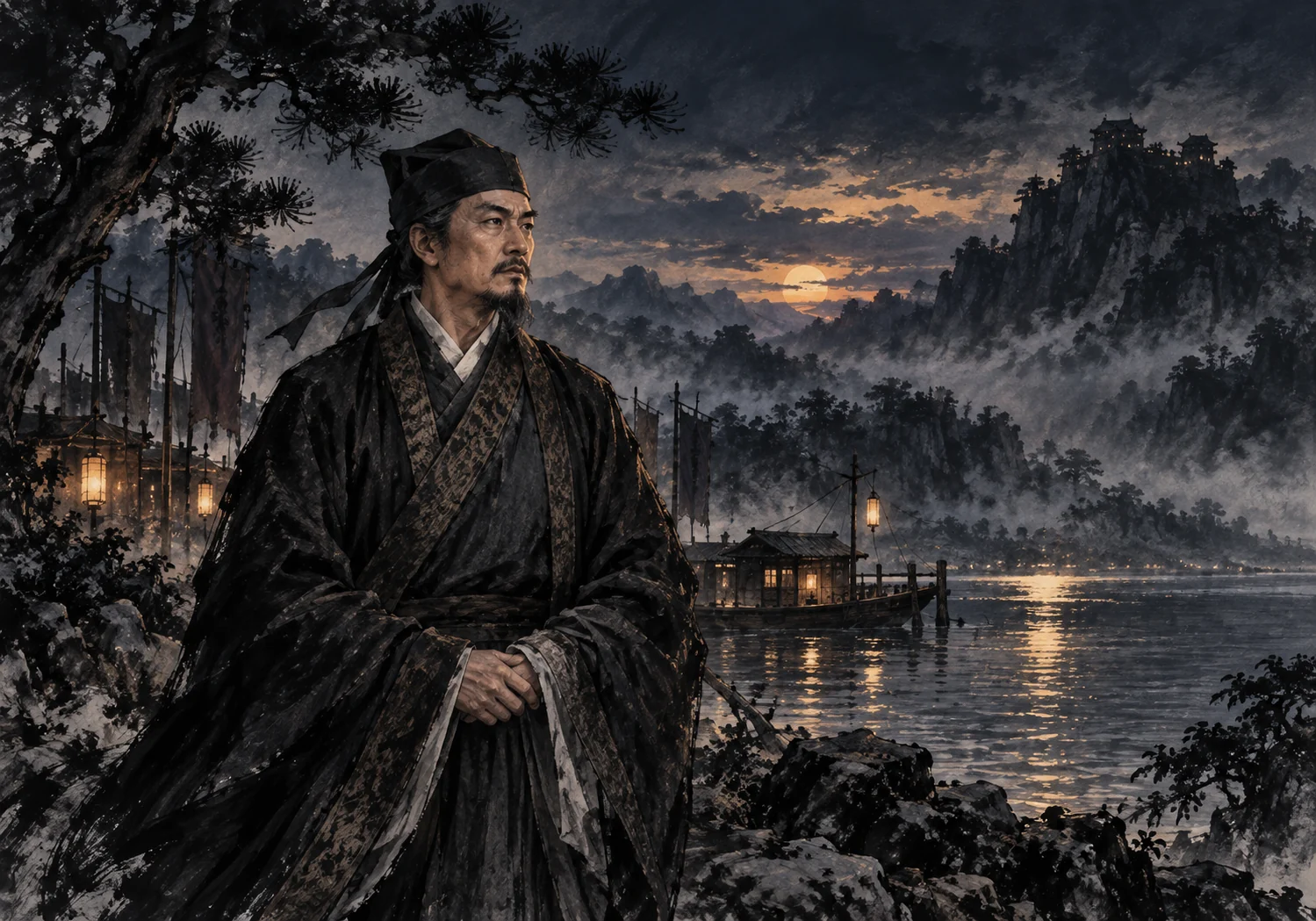
Original English writing by Liangshan Lore, based on the Chinese novel Water Margin, traditionally attributed to Shi Nai’an. Plot references follow the 120-chapter Chinese edition; names, chapter numbering, and endings can vary between editions and translations. Sections marked “Our reading of the story” offer our interpretation. The characters and events belong to fiction; concept illustrations are not historical portraits.
Continue in English.
These credited resources offer further reading, listening, publication context, or museum evidence. Chinese Lore is an English retelling with transcripts and audio, not a line-by-line translation; podcast episode numbers differ from novel chapters. CUHK Press links introduce published English translations.
Chinese original · text & chapter references
Primary-text references for checking the plot and edition. These pages are in Chinese.
Song JiangTimely Rain · illustrated character story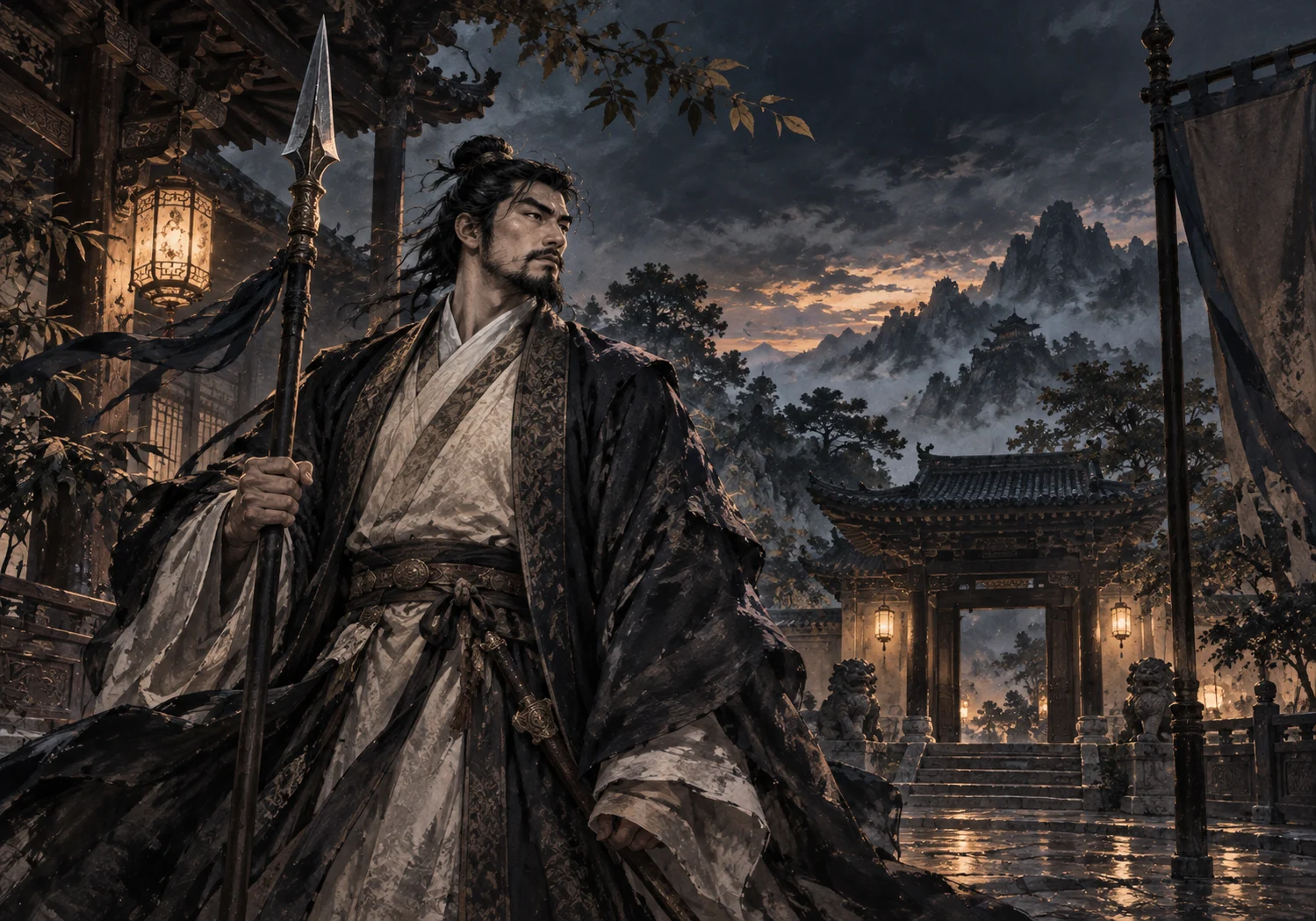 Lu JunyiJade Qilin · illustrated character story