Names, Nicknames, and Star Titles in Water Margin
Panther Head. Timely Rain. Flower Monk. Black Whirlwind. A nickname can describe a face, recall an older hero, advertise a skill, or build a reputation larger than the person carrying it.
Romanization can make different names look identical
Modern English references often use Pinyin for personal names, but older translations use other spellings. Song Jiang may appear as Sung Chiang; Wu Song as Wu Sung. A reader should expect the sound of a familiar name to change between editions.
Two members romanize as Zhang Qing: rank 16 is 张清, the stone-throwing warrior, while rank 102 is 张青, the innkeeper married to Sun Erniang. Chinese characters and context distinguish them.
Nicknames compress a public story
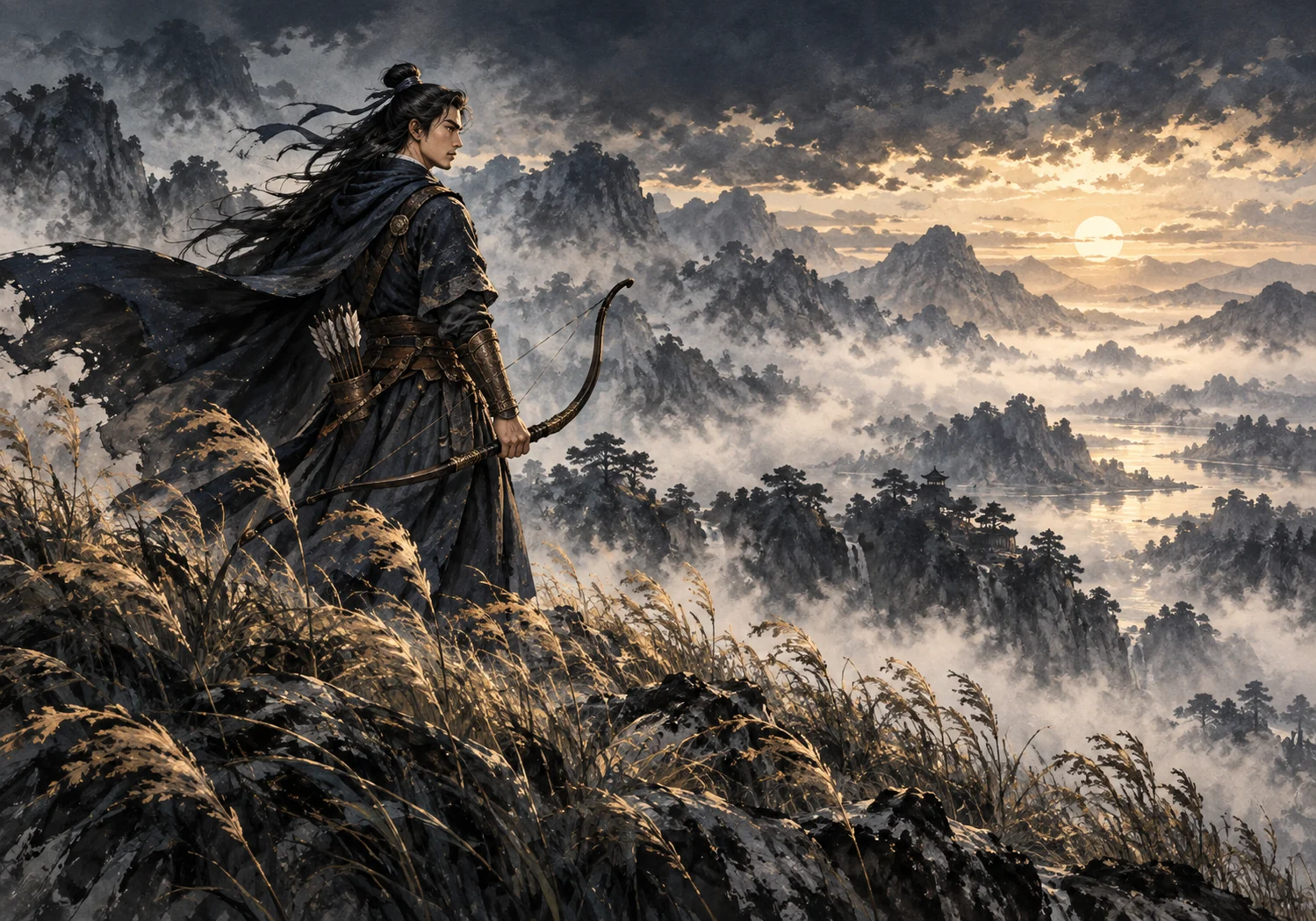
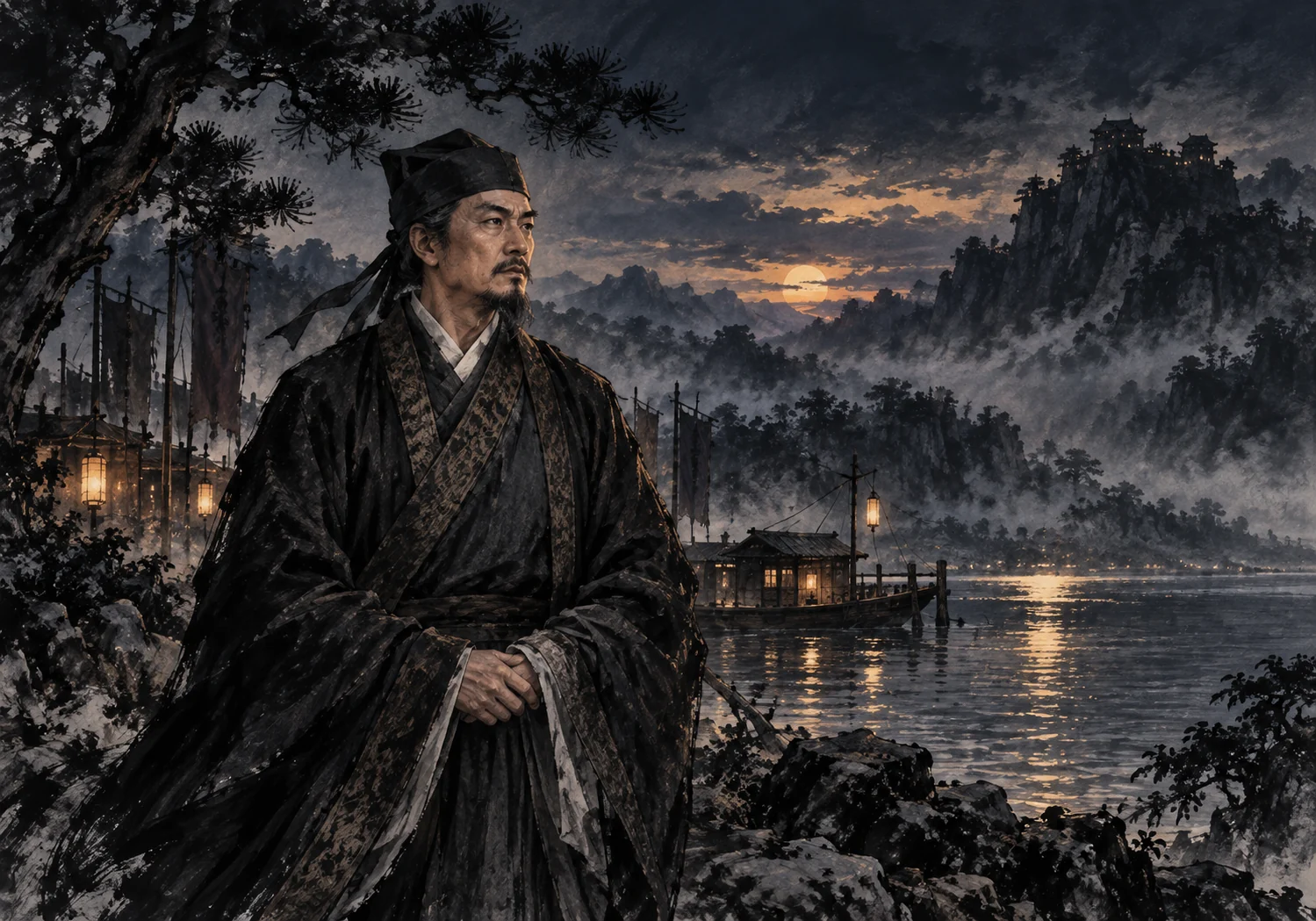
Lin Chong’s Panther Head points to appearance; Hua Rong’s Little Li Guang compares his archery to an earlier general; Lu Zhishen’s Flower Monk recalls his tattoos and monastic identity; Song Jiang’s Timely Rain expresses a reputation for aid arriving when needed.
Translations vary because a nickname can contain allusion, wordplay, animal image, occupation, or cultural memory that does not fit neatly into one English phrase.
Star titles are a second naming system
Chapter 71 assigns each leader a celestial title within the 36 Heavenly and 72 Earthly Stars. These titles differ again across translations. They belong to the novel’s supernatural ordering and should not be confused with the everyday nicknames used through earlier episodes.
Rank, star title, nickname, personal name, and Chinese characters are separate pieces of identification.
Remember relationships before memorizing a table
Use the ranked list when a name returns, but follow one connection at a time: master and attendant, brothers, former enemies, planner and target, rescuer and rescued. A relationship gives a name an event to attach to.
The goal is not instant command of 108 labels. It is recognizing how a public title and a lived story can disagree.
When does a name help someone become visible, and when does it trap them inside a reputation?
Which part of the story speaks to you? Tell us as we shape the complete 108-card collection.
Original English writing by Liangshan Lore, based on the Chinese novel Water Margin, traditionally attributed to Shi Nai’an. Plot references follow the 120-chapter Chinese edition; names, chapter numbering, and endings can vary between editions and translations. Sections marked “Our reading of the story” offer our interpretation. The characters and events belong to fiction; concept illustrations are not historical portraits.
Continue in English.
These credited resources offer further reading, listening, publication context, or museum evidence. Chinese Lore is an English retelling with transcripts and audio, not a line-by-line translation; podcast episode numbers differ from novel chapters.
Chinese original · text & chapter references
Primary-text references for checking the plot and edition. These pages are in Chinese.
 Hua RongLittle Li Guang · illustrated character story
 Song JiangTimely Rain · illustrated character story