Magic, Dreams, and Fate in Water Margin
The outlaws make plans, miss warnings, and choose violence. Above those choices, the novel places released spirits, written destinies, dreams, and magic that make coincidence feel ordered without making people innocent.
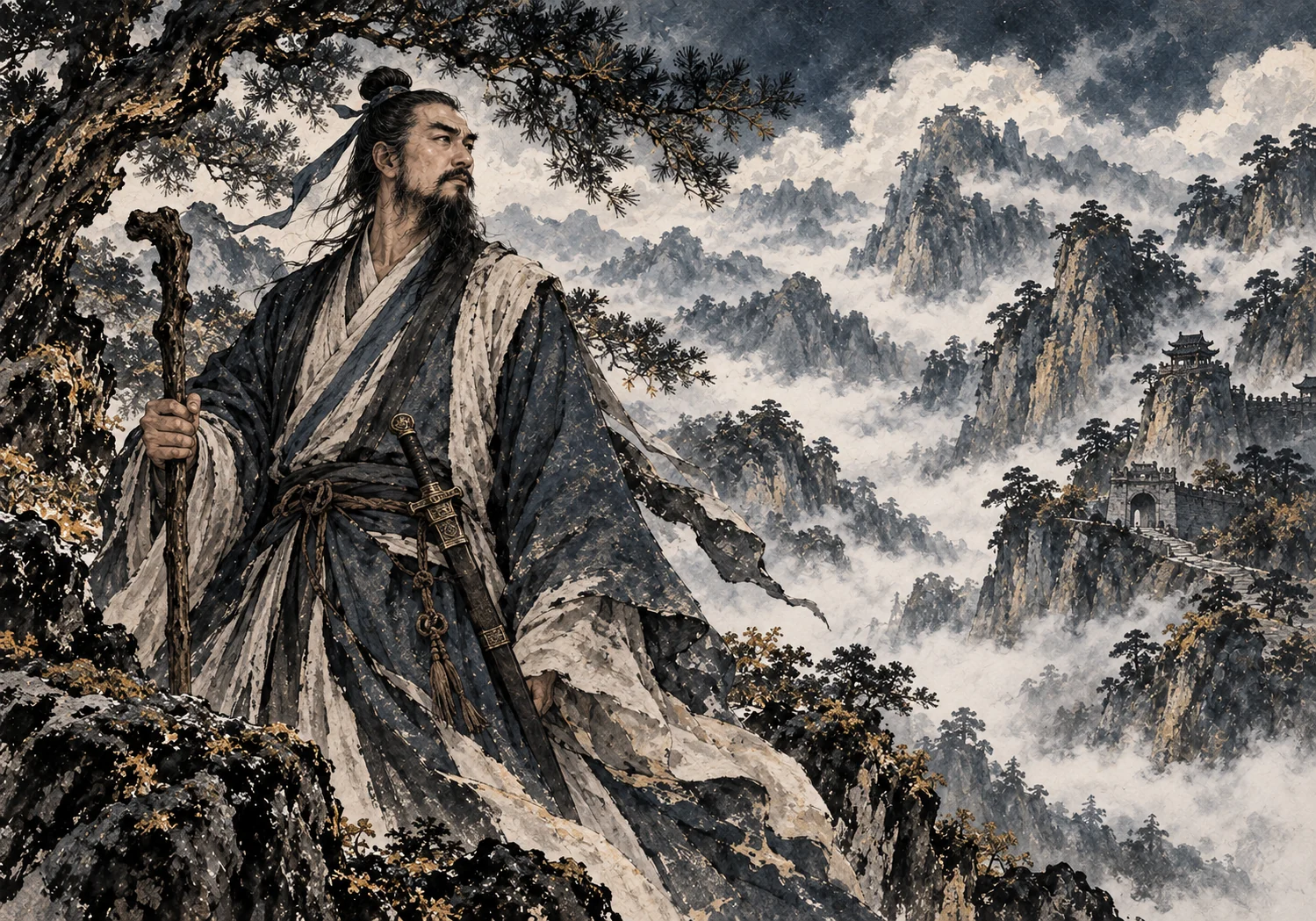
The 108 enter the book as spirits before they enter as people
A sealed chamber is opened in Chapter 1, and 108 spirits escape. The narrative then delays any direct explanation while introducing human characters one by one. Only much later does the stone tablet connect the full company to a celestial list.
This structure lets the reader experience both chance meetings and promised completion. The group feels assembled through human events and already patterned by the opening.
Magic belongs to battle as well as wonder
Gongsun Sheng and Gao Lian use supernatural arts during the Gaotangzhou conflict. Fan Rui is also introduced with magical skill. Wind, cloud, illusion, and ritual power can change military conditions in the same narrative that carefully describes formations and weapons.
The novel does not ask readers to choose between practical strategy and magic. Both belong to its story logic.
Dreams deliver authority, warning, and delayed knowledge
Song Jiang’s meeting with the Mysterious Maiden grants books and a sense of protected purpose. Chao Gai later appears through dream. The emperor’s final dream reveals what court channels concealed during Song Jiang’s death.
A dream can cross boundaries that ordinary reports cannot, but it arrives on narrative terms rather than as historical testimony.
Fate explains pattern without cancelling responsibility
If all 108 are stars, readers may be tempted to excuse every event as destiny. Yet the novel spends hundreds of scenes showing warnings ignored, schemes designed, orders given, and harm distributed.
The celestial frame tells us that these lives belong together. It does not tell us that every choice inside that pattern is just.
If a meeting is fated, who remains responsible for what happens after it?
Which part of the story speaks to you? Tell us as we shape the complete 108-card collection.
Original English writing by Liangshan Lore, based on the Chinese novel Water Margin, traditionally attributed to Shi Nai’an. Plot references follow the 120-chapter Chinese edition; names, chapter numbering, and endings can vary between editions and translations. Sections marked “Our reading of the story” offer our interpretation. The characters and events belong to fiction; concept illustrations are not historical portraits.
Continue in English.
These credited resources offer further reading, listening, publication context, or museum evidence. Chinese Lore is an English retelling with transcripts and audio, not a line-by-line translation; podcast episode numbers differ from novel chapters.
Chinese original · text & chapter references
Primary-text references for checking the plot and edition. These pages are in Chinese.
Gongsun ShengDragon in the Clouds · illustrated character story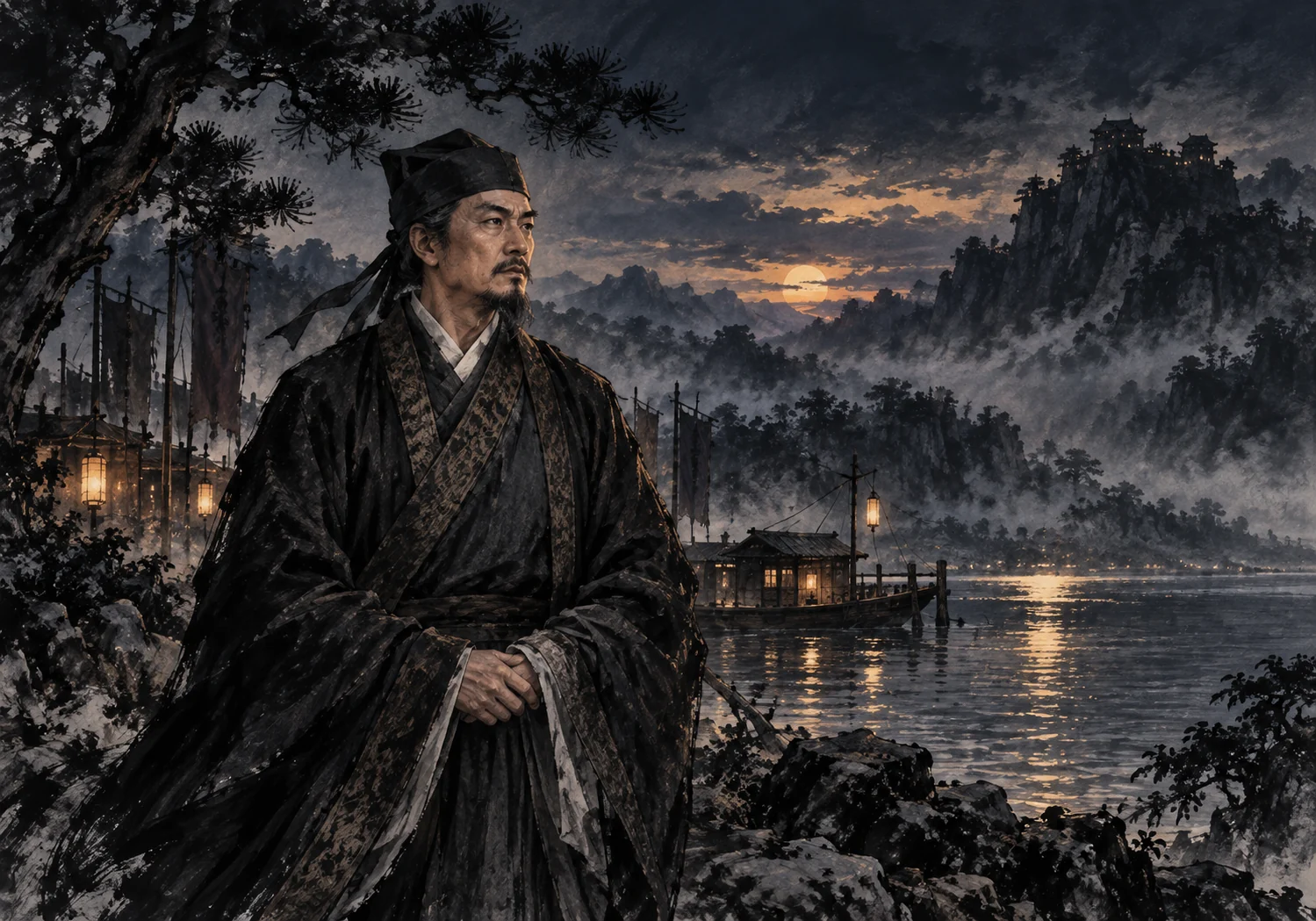 Song JiangTimely Rain · illustrated character story