Government and Army in Water Margin
The state appears as an emperor at the center and hundreds of people acting in his name. Between them lie recommendations, family ties, local interests, bribes, reports, and opportunities to hide responsibility.
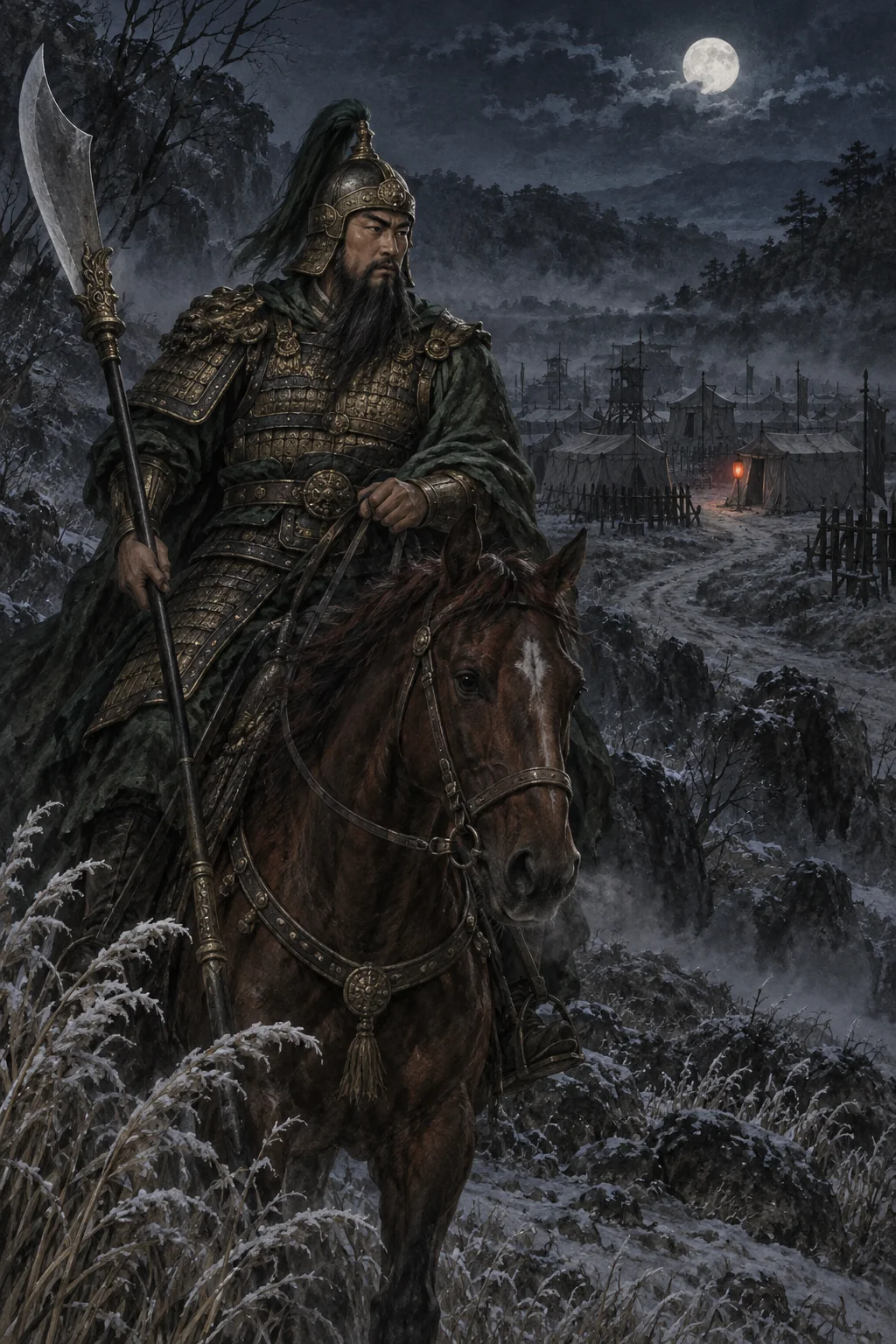
The emperor is distant from the acts done under imperial authority
Emperor Huizong occupies the symbolic center of the fictional state. Powerful ministers and military officials shape what reaches him. Gao Qiu’s rise in Chapter 2 establishes a court where personal favor can become public office.
The novel often preserves loyalty to the emperor while blaming corrupt men around him. That distinction supports Song Jiang’s hope that recognition from above can correct persecution below.
County and prefectural offices touch daily life
Magistrates, prefects, clerks, constables, jailers, and execution staff issue warrants, collect evidence, move prisoners, and enforce sentences. Song Jiang begins as a clerk; Wu Song briefly serves as a constable. Their knowledge of procedure does not prevent them from entering conflict with it.
Local officials can act under pressure from wealthy families or senior patrons. They can also exercise discretion, delay violence, or accept appeals and bribes.
Military command is both profession and political risk
Lin Chong trains imperial guards. Yang Zhi tries to restore an official career. Guan Sheng, Qin Ming, Huyan Zhuo, and others first meet Liangshan as commanders sent against outlaws. Defeat threatens more than pride: a failed officer may expect punishment, distrust, or closed gates at home.
Liangshan exploits that vulnerability. Captured commanders can be welcomed, but some are first placed in situations that destroy their safe return to official service.
Corrupt individuals do not fully explain systemic harm
Removing one cruel official would not remove patronage, collective punishment, coerced confession, or the dependence of local justice on status. The novel repeatedly shows different people using the same machinery for different ends.
Its official world is not uniformly evil, and its outlaw world is not uniformly just. The instability comes from institutions that can be made personal at every level.
Can loyalty to a state remain intact when its power is experienced through corrupt intermediaries?
Which part of the story speaks to you? Tell us as we shape the complete 108-card collection.
Original English writing by Liangshan Lore, based on the Chinese novel Water Margin, traditionally attributed to Shi Nai’an. Plot references follow the 120-chapter Chinese edition; names, chapter numbering, and endings can vary between editions and translations. Sections marked “Our reading of the story” offer our interpretation. The characters and events belong to fiction; concept illustrations are not historical portraits.
Continue in English.
These credited resources offer further reading, listening, publication context, or museum evidence. Chinese Lore is an English retelling with transcripts and audio, not a line-by-line translation; podcast episode numbers differ from novel chapters. CUHK Press links introduce published English translations.
Chinese original · text & chapter references
Primary-text references for checking the plot and edition. These pages are in Chinese.
Guan ShengGreat Blade · illustrated character story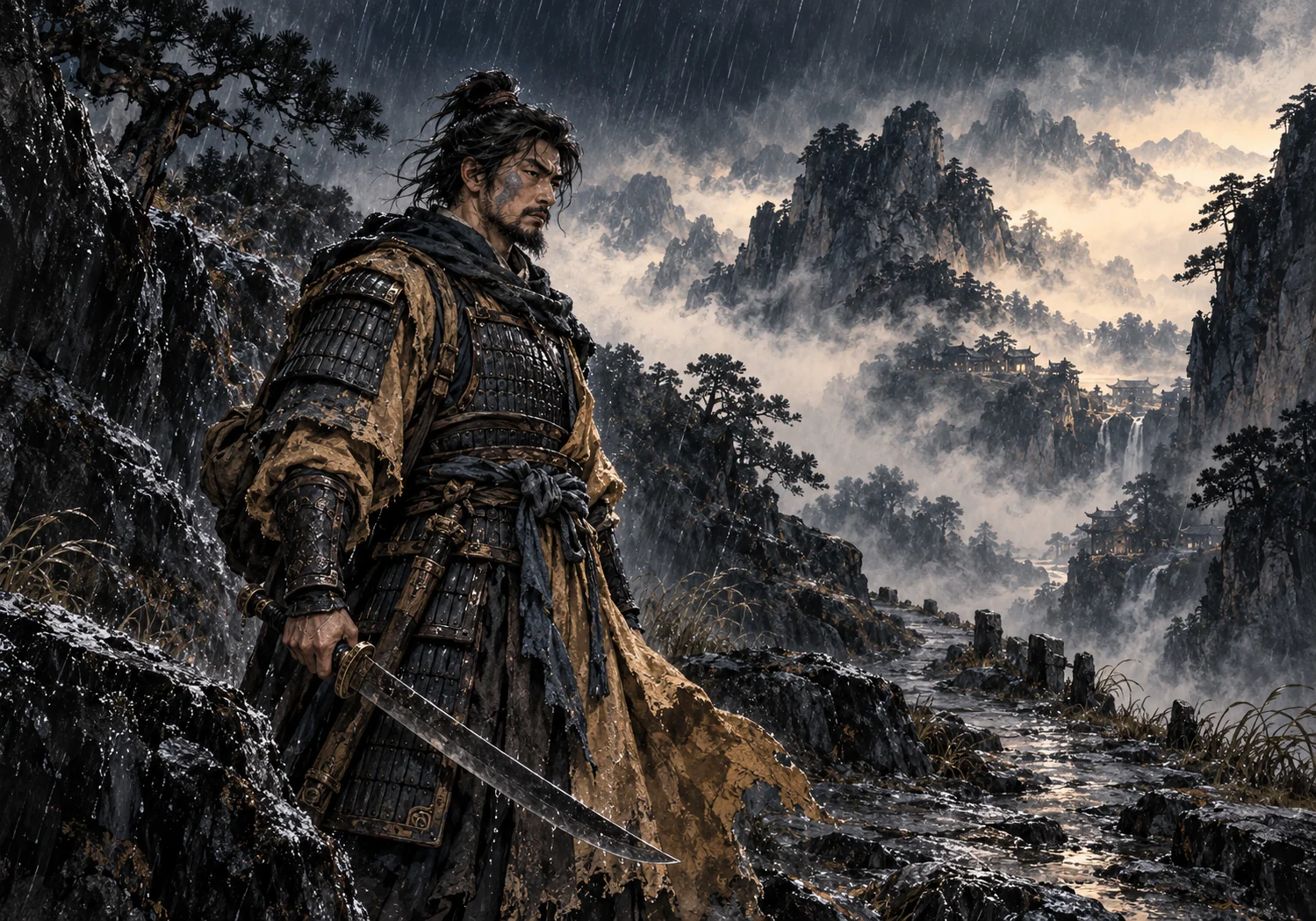 Yang ZhiBlue-Faced Beast · illustrated character story