How Does Liangshan Recruit Its Heroes?
Some people arrive because Liangshan saves their lives. Some accept after defeat. Others discover that the brotherhood has removed every road back to the life they had.

For fugitives, Liangshan can be the remaining safe direction
Lin Chong reaches the marsh after persecution, exile, attempted murder, and the fodder-depot plot. Song Jiang joins after long flight and the Jiangzhou rescue. In such cases, refuge and membership grow from survival and existing bonds.
Even then, entry is shaped by gatekeepers. Wang Lun initially tries to exclude Lin Chong. Sanctuary is never automatic.
Captured opponents are offered a new place
Former officers including Qin Ming, Huyan Zhuo, Guan Sheng, and others join after campaigns against Liangshan. Hospitality after capture contrasts with expected punishment from the official side.
The offer may be genuine, but the circumstances are unequal. A prisoner chooses after military defeat, sometimes knowing that return has become dangerous.
Several celebrated recruits are first deceived or dispossessed
Xu Ning follows stolen family armor and finds that his household has been moved. Zhu Tong is coerced through the killing of a child he was guarding. Lu Junyi is targeted through a fortune-telling scheme and a hidden poem; Liangshan later rescues him from consequences it helped set in motion.
Li Ying is drawn in after a staged arrest, family removal, and the burning of his manor. Recruitment can look like rescue because the recruiters have helped create the need for rescue.
The final language of brotherhood hides unequal beginnings
Once ranked, members are presented as one company. The assembly does not preserve a record of who volunteered, who surrendered, who was grateful, and who had no viable home left.
Reading recruitment case by case keeps the word brotherhood from becoming evidence of consent.
Can a welcome be generous when the host helped close every other door?
Which part of the story speaks to you? Tell us as we shape the complete 108-card collection.
Original English writing by Liangshan Lore, based on the Chinese novel Water Margin, traditionally attributed to Shi Nai’an. Plot references follow the 120-chapter Chinese edition; names, chapter numbering, and endings can vary between editions and translations. Sections marked “Our reading of the story” offer our interpretation. The characters and events belong to fiction; concept illustrations are not historical portraits.
Continue in English.
These credited resources offer further reading, listening, publication context, or museum evidence. Chinese Lore is an English retelling with transcripts and audio, not a line-by-line translation; podcast episode numbers differ from novel chapters. CUHK Press links introduce published English translations.
Chinese original · text & chapter references
Primary-text references for checking the plot and edition. These pages are in Chinese.
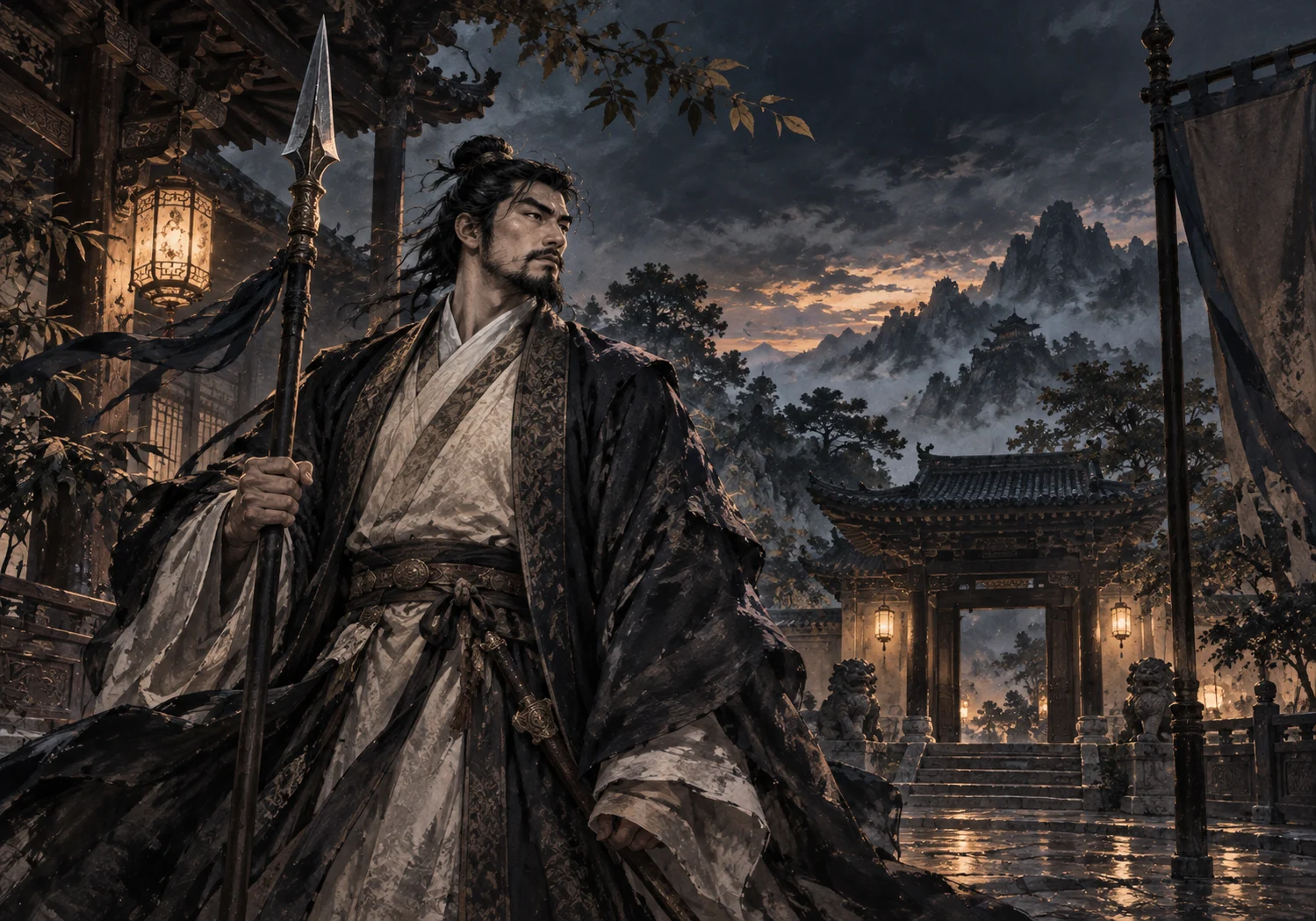 Lu JunyiJade Qilin · illustrated character story
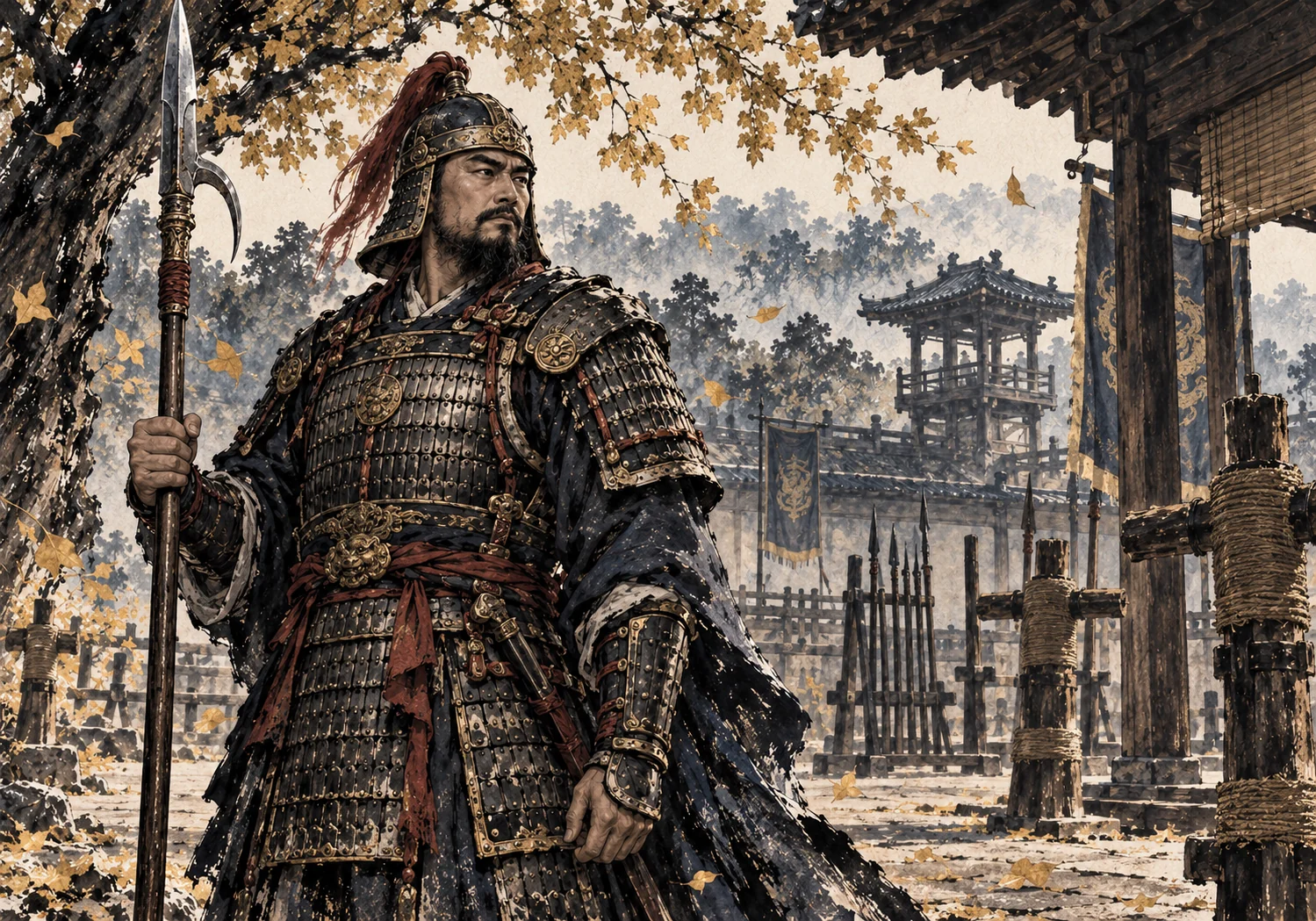 Xu NingGolden Lancer · illustrated character story